
Crossing Tour
Contact
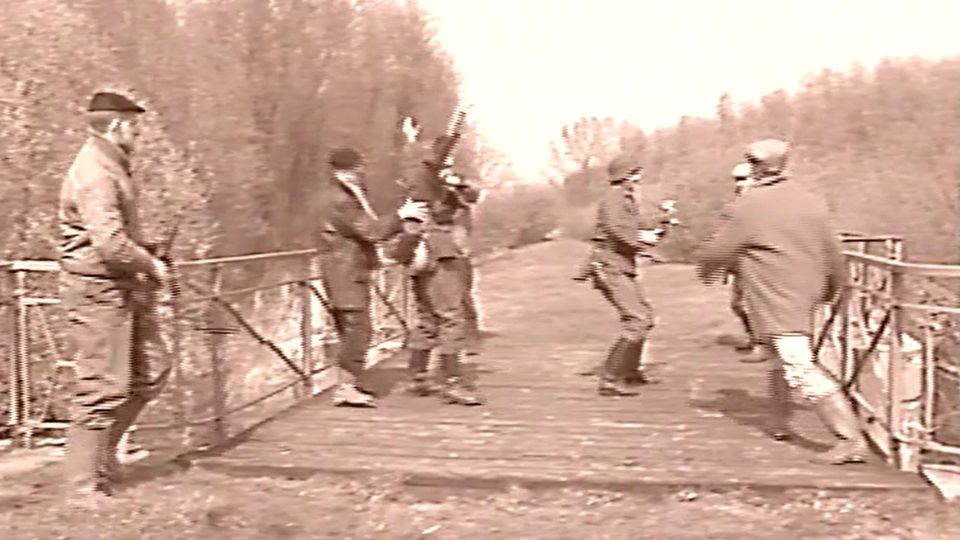
Toward the end of the war, the Biesbosch played an extremely important role in the course of the liberation. The Albrecht spy ring organized courier routes through the Biesbosch known as “crossings.” During these crossings, important messages or people were transported. Medicines were also brought back.
The organized crossings work was done by 21 people, who together made about 374 crossings. Often they were on these dangerous trips 4 nights a week, with a high chance of being discovered by the Germans. Not every crossing succeeded and sometimes they were forced to turn back.
Two motor vessels, which were hiding in d...
Toward the end of the war, the Biesbosch played an extremely important role in the course of the liberation. The Albrecht spy ring organized courier routes through the Biesbosch known as “crossings.” During these crossings, important messages or people were transported. Medicines were also brought back.
The organized crossings work was done by 21 people, who together made about 374 crossings. Often they were on these dangerous trips 4 nights a week, with a high chance of being discovered by the Germans. Not every crossing succeeded and sometimes they were forced to turn back.
Two motor boats, which were in hiding in the Biesbosch (first in the Gat van Lijnoorden near the Petrushoeve and later at the Brugje van St. Jan), were seized and set up as prisoner ships (Martha Jacoba & The 8 Gebroeders). The distribution office in Hank was robbed to get food stamps. Farmers who knew about the actions provided potatoes, cabbage and fruit. The number of prisoners of war reached 75.
This tour takes about 2.5 to 3 hours and is therefore less suitable for children.
When
- Saturday, December 12, 2026 1 p.m.-5 p.m.