
Plastic soil soup in the Biesbosch: 250 volunteers clean up 62 cubic meters of waste in 7 days
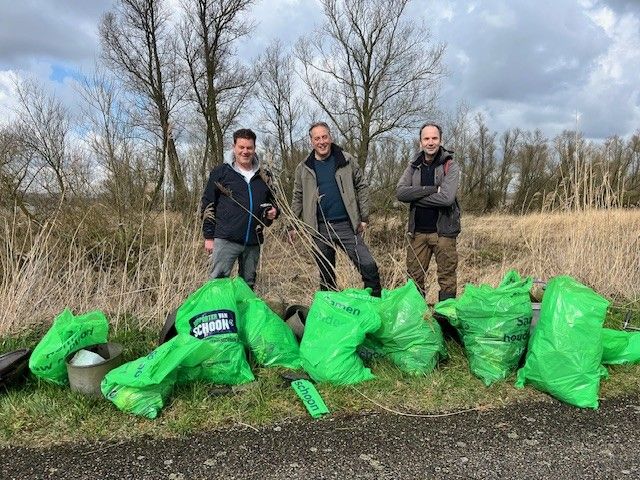
In recent weeks, volunteers, companies and employees of the Dutch Forestry Commission cleaned up a lot of garbage from The Biesbosch National Park . In 7 days with a total of over 250 people more than 62 cubic meters of waste was removed from the Biesbosch. In addition to the usual plastic bottles, buckets, bumper blocks, rope and numerous other types of plastic parts, volunteers found waste from the 1950s, 1960s and 1970s in hard-to-reach places in the Biesbosch. Various household items such as refrigerators, mattresses and furniture were also removed again along the banks of the Merwede and Amer rivers. The action is made possible by financial contributions from various partners within the "Together we keep the Biesbosch clean" campaign. This campaign runs until the end of 2026.
By now it has become a tradition. In the spring and fall, volunteers scour the edges of The Biesbosch National Park in search of litter. Last Saturday, March 14, and during several clean-up operations in the weeks before, more than 250 volunteers, under the guidance of Staatsbosbeheer, rolled up their sleeves.
Plastic soil soup
The cleanup campaign was spread over several locations, in the municipalities of Dordrecht, Altena and Drimmelen.
"The involvement from the region continues to be impressive. We appreciate that enormously. But what we encounter along the way is sometimes downright shocking," says Cynthia van 't Hoff, forest ranger public at Staatsbosbeheer and coordinator of the cleanup efforts in The Biesbosch National Park.
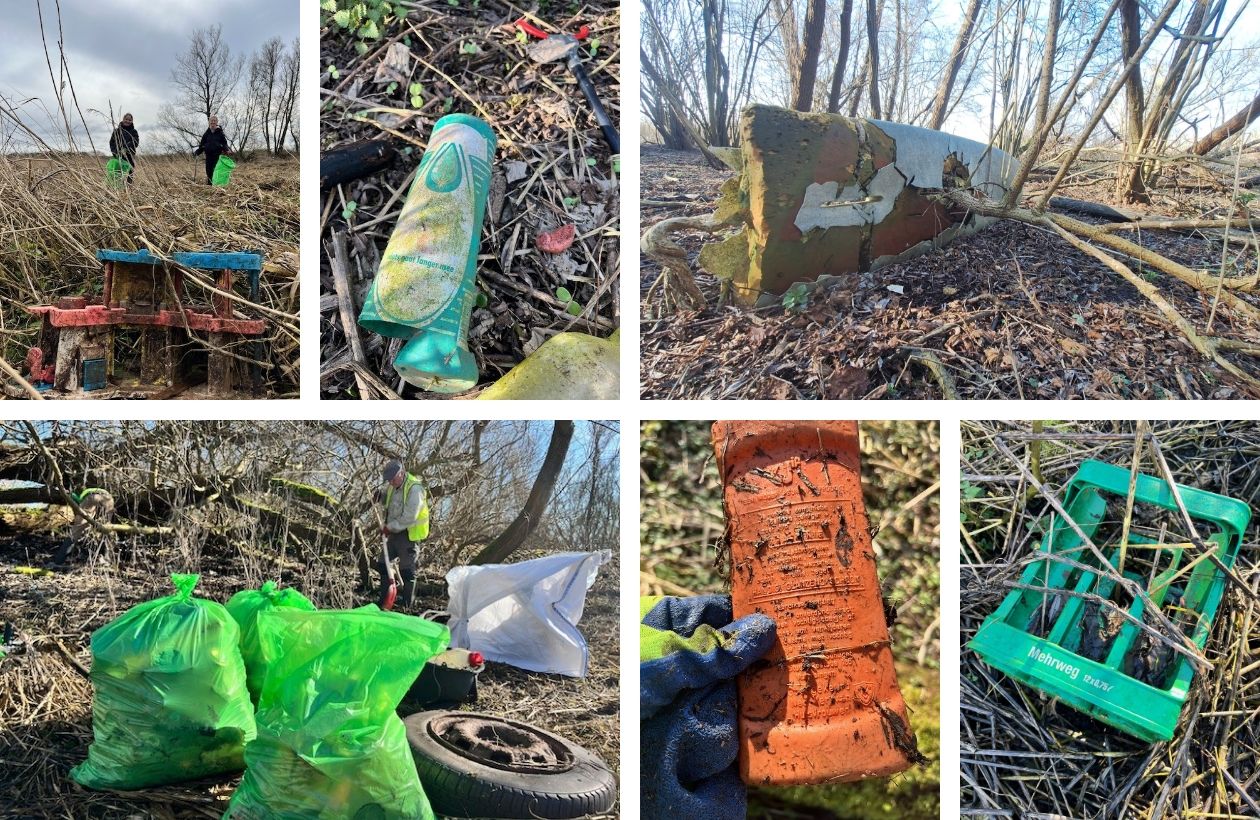
"While strolling along banks and through reed beds you really come across anything: chairs, ropes, cotton buds and lots of plastic. In all shapes and sizes. During a clean-up we even found half a surfboard with a tree growing through it. It must have been there for years. We also found old bottles of detergent from the 1970s," she continues.
Special finds included toys, light bulbs and many loose caps. Especially around Drimmelen, the participants found many golf balls. "In some places we even found a kind of plastic soil soup: a washout strip where waste has been washing up for years, mixing with washed-up soil and slowly falling apart. Small pieces of plastic literally had to be dug out of the ground."
In addition to the efforts of individuals, several companies helped in the cleanup. "Fauna Protect and Tritium Advies helped us clean the banks. And WSV Drimmelen deployed boats to remove trash along the banks of the Amer. It's great that there is so much support and enthusiasm to make these cleanups possible."
Cleaning up costs a lot of money
The clean-up operations are costly. Especially due to the use of all kinds of specialized equipment to get to hard-to-reach places, the deployment of employees and the removal of large amounts of waste. "Fortunately, thanks to the cooperation campaign 'Together we keep the Biesbosch clean', we can pay for the cleanup actions. The collected waste is disposed of through Rijkswaterstaat. All volunteers and partners within the campaign: thank you very much for your efforts. Without you we simply could not have done this."
Biesbosch, natural collection system for waste
Garbage is not only an annoyance for visitors, it is also a threat to nature. It is estimated that more than half of the waste in the Biesbosch comes from upstream with the river water. The Biesbosch, with its many channels and banks, acts as a natural trapping system where some of this waste remains. During the winter high water, the waste then washes back onto banks and lingers in trees, shrubs and higher vegetation. "Meanwhile, we know of numerous examples where animals are victims of litter. They get entangled in it, use it in their nests or eat it. And meanwhile, we know that microplastics are now even found in our own food."
Campaign 'Together we keep the Biesbosch clean'.
The campaign has existed since 2022 and is currently funded by Rijkswaterstaat, the Province of Noord-Brabant, IVN, the municipalities of Altena, Dordrecht, Drimmelen, Geertruidenberg and Waterschap Rivierenland. Funding for the campaign expires this year, but we aspire to continue cooperation with partners.
To raise awareness about the litter problem, campaign signs have been placed alongside the clean-up actions, garbage bags are being handed out, and there is a garbage container in the nature reserve. Businesses and institutions such as the Biesboschcentrum Dordrecht, Biesbosch MuseumEiland Werkendam and Rondvaartbedrijf Zilvermeeuw are also contributing by making locations or equipment available.
From the campaign, it is possible to organize several clean-up campaigns each year. The help of governments remains badly needed. Thanks to money, attention, volunteers and enthusiastic foresters, a lot of waste is cleaned up. But the tap still seems to be open: waste continues to flow into the Hollandse Delta.
Want to help?
Missed this clean-up campaign? March 21 is National Cleanup Day, when various municipalities also organize various cleanups in their communities. Because the breeding season in the Biesbosch has started then, the clean-up action in the Biesbosch is always a little earlier.
And on Saturday, September 19 (just before World Cleanup Day) there will be another larger cleanup action in The Biesbosch National Park. You can sign up for this from the summer via the site: www.staatsbosbeheer.nl/biesbosch-schoon