The plants of the Biesbosch
Take a sneak peek, read up and then go on your own exploration of the Biesbosch!

Colorful meadows, lush plant life and grasslands. These are just a few of the landscapes that collectively create the unique image that is the National Park. Learn more about the park's special history and the unusual plants that characterize the area.
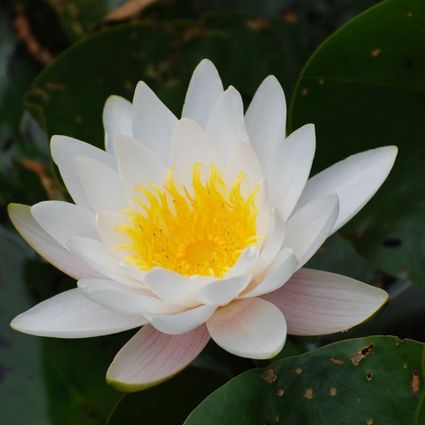
Polders in the Biesbosch
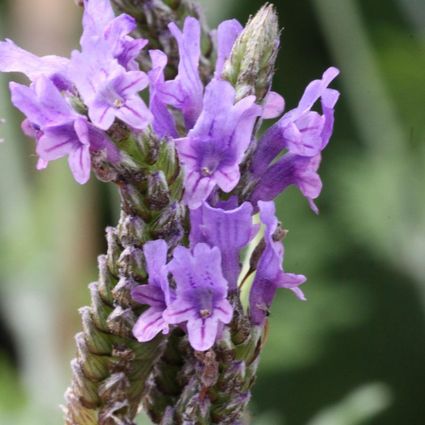
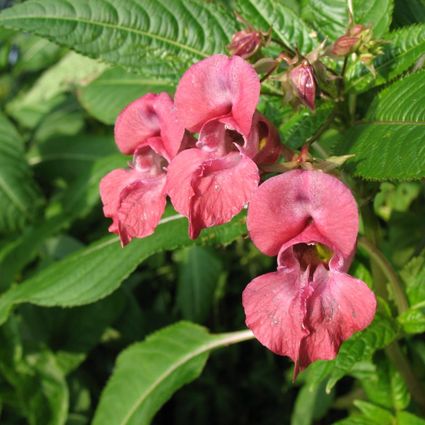
If you start your visit in the East of the Biesbosch, at the eastern tip of the Eland van Dordrecht, you will find unusual flora. The grassland polders are only accessible by water, which contributes to the unique experience of nature here. The Forestry Commission has been carrying out scrub management here since the late 1950s, which may not sound good, but it actually is! This policy removes unwanted vegetation, and the grasslands of the Crow's Nest, the Louw Simonswaard and the Hengstpolder, in particular, are able to develop flowery vegetation as a result.
The Crow's Nest and the Hengstpolder
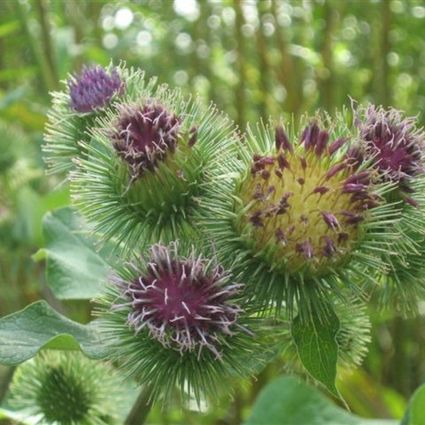
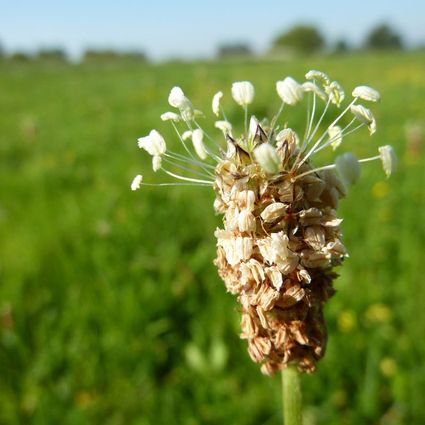
There is much more to tell about the Crow's Nest and the Hengstpolder! The first area is characterized by species-rich glossy oat hay meadows: a very flowery vegetation that turns a beautiful yellow and consists of great stripe seed, field lathyrus and great rattle. The second area, the Hengstpolder is also a real feast for the eyes! The Nordic wallow, very rare for our country, grows here, with beautiful, small white flowers. Also growing on the polder embankment in the Hengstpolder are Oriental yellow morning star, knotweed, cuckoo flower, large burnet, large beaver and meadow chervil, among others.
The 'stallion' of Hengstpolder
The addition "Stallion" refers not to a male horse, but to the salmon fishery of old. Professional fishermen called the salmon that swam back to sea after reproducing "stallions. The Hengstpolder and the Gat van den Hengst recall those days.
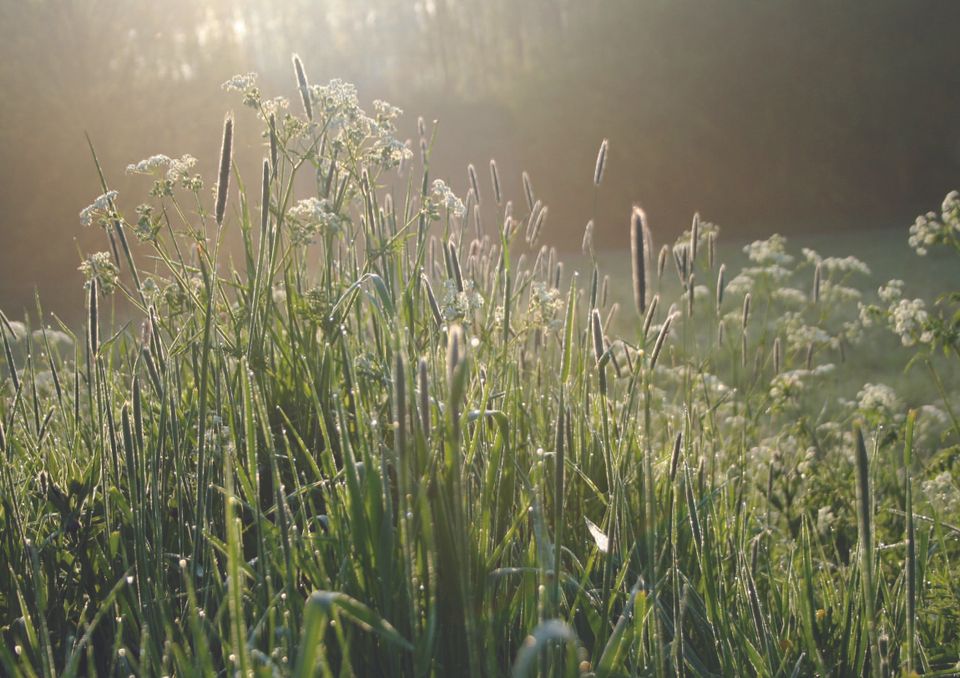
Hay farming in the Biesbosch
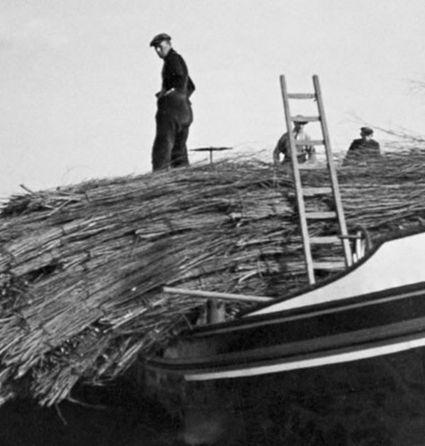
There is an awful lot to tell about the history of the Biesbosch. For example, the story of the creation of the park is fairly well known, but haymaking in this area also has a beautiful history! The Biesbosch polders used to be completely mowed by hand with a scythe. A huge job for which often whole families were summoned to do this heavy work. Each bale of hay was placed on a trailer with a pitchfork, driven to the unloading wharf where they were loaded onto flat barges. It was a busy time in the polders during hay time!
From many hands to light work
Meanwhile, machines have completely taken over this work, so-called film wrappers wrap the hay in plastic film. You've probably seen these bales lying around! After the haymaking, the Biesbosch farmers bring their cattle to the polders until autumn. Then the Forestry Commission deliberately floods the Hengst and Louw Simonswaard, leaving the low parts puddled and the high parts dry.
Scoop for the Biesbosch: the spindle cutter!
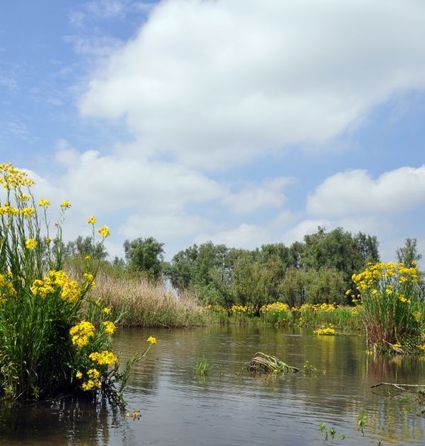
Besides the more common common kingcup, the rarer spindle-totter can also be spotted in the Biesbosch. This species is a plant that is highly adapted to fluctuating water levels, and with the spindotter, the national park has the first in the Netherlands!
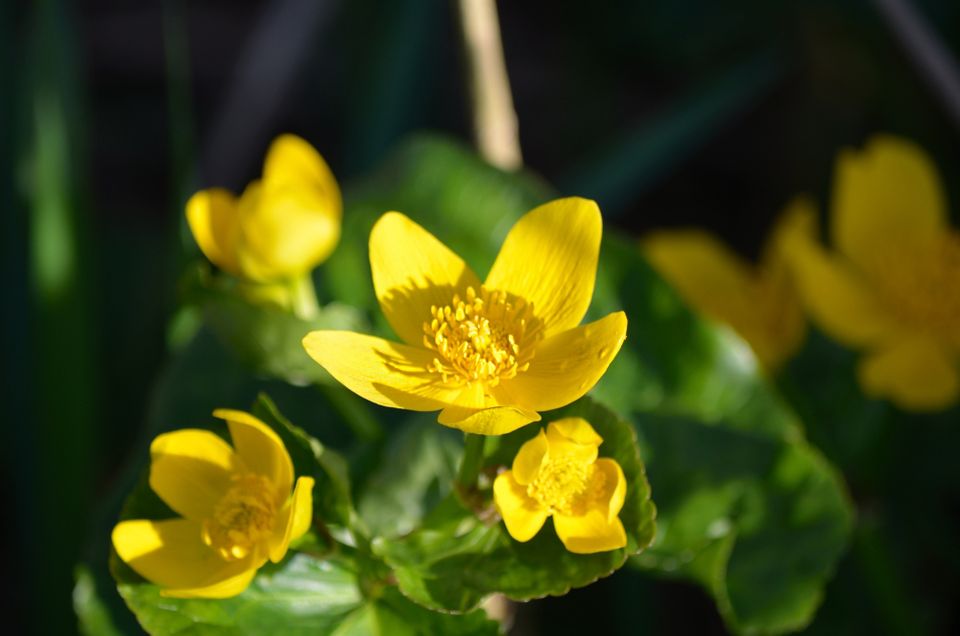
Dandelions: yellow splendor in the Biesbosch
The yellow kingcup always grows near water, so also in the Biesbosch! And it is not only the common marsh fritillary that you encounter here, the rarer spindotters also show themselves in the park! And this special plant has an equally special way of reproducing and spreading. The spindotter is bulkier than the common kingcup and has one or more elbow-shaped kinks in the stem with thick, massive stem buds. Leaf rosettes develop in these, which then form roots. This creates spider-shaped root clusters ("dotted spider"). The spindotter, as it were, self-sticks itself with ready-made young plants (the mottler spiders) and thus circumvents the "problem" of germination. In summer, the stems fall over and decay, releasing these dotted spiders. The water then does the rest: the dotted spiders are dispersed.